







.jpg "Sewing Tips for Beginners: Simple Tricks That Make Sewing Easier")
Sewing Tips for Beginners: Simple Tricks That Make Sewing Easier
Simple sewing tips and easy techniques to help beginners sew with confidence. Learn small tricks that make a big difference in your sewing projects.
Getting Started with Sewing: Tips Every Beginner Should Know
Sewing is a relaxing and creative skill that allows you to make practical, beautiful items by hand or machine. While starting out can feel overwhelming, the truth is that a few basic habits and techniques can make sewing much easier, cleaner, and more enjoyable — even for complete beginners.
This guide shares essential sewing tips to help you build confidence, avoid common mistakes, and enjoy the learning process from your very first project.
Start With Simple Sewing Projects
When you’re new to sewing, it’s best to begin with small, manageable projects. Simple items help you practice straight stitching, fabric handling, and machine control without frustration.
Great beginner projects include:
-
Tote bags
-
Pillow covers
-
Fabric napkins
-
Simple pouches
-
Straight scarves or table runners
These projects allow you to focus on learning the basics while still creating something useful and rewarding.
Use Quality Thread and Fabric
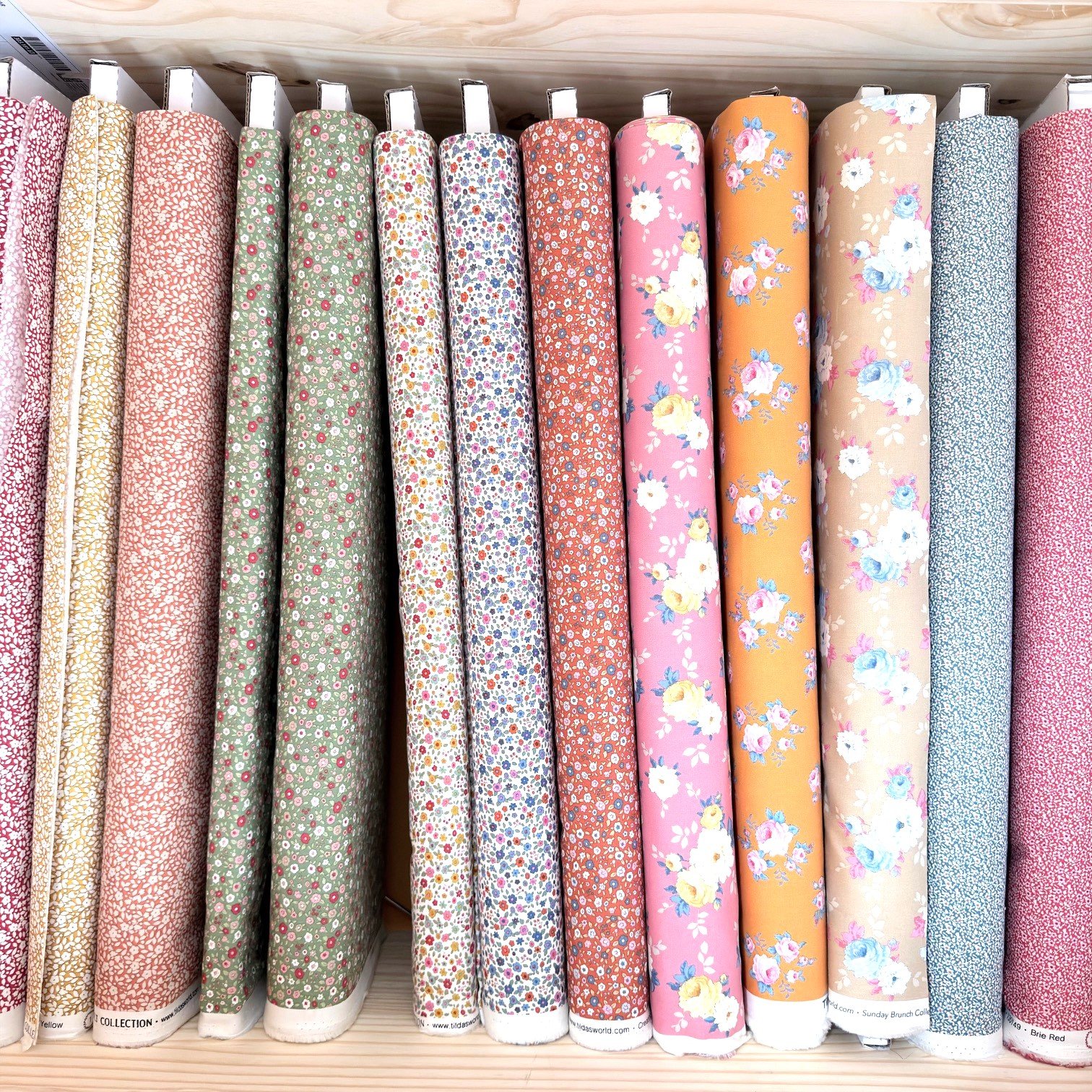
Good materials make a big difference in how easy sewing feels. Poor-quality thread can break, tangle, or skip stitches, while unstable fabric can stretch or distort.
Beginner-friendly fabric choices:
-
Quilting cotton
-
Cotton poplin
-
Linen blends
-
Medium-weight woven fabrics
Avoid slippery, stretchy, or very thick fabrics (like silk, knit, or denim) until you gain more experience.
Always Press Your Fabric
Pressing is one of the most overlooked but important sewing steps. Ironing your fabric before cutting and pressing seams as you sew will dramatically improve the final result.
Benefits of pressing:
-
Cleaner seams
-
More accurate measurements
-
Professional-looking finish
-
Easier fabric handling
Remember: press, don’t slide the iron to avoid stretching the fabric.
Change Your Needle Regularly
A dull or damaged needle can cause uneven stitches, skipped stitches, or even fabric damage. Beginners often don’t realize how much the needle affects stitch quality.
Good habits:
-
Change the needle at the start of a new project
-
Replace it if you hear popping sounds
-
Match the needle type to your fabric
For most cotton fabrics, a universal needle (size 80/12) works well.
Take Your Time While Sewing
Sewing is not a race. Slowing down gives you better control, straighter seams, and fewer mistakes.
Helpful tips:
-
Sew slowly, especially around corners
-
Stop with the needle down when turning fabric
-
Take breaks to avoid rushing
With practice, speed will come naturally — accuracy always comes first.
Measure and Cut Carefully
Accurate cutting is just as important as accurate stitching. Even small cutting errors can affect how pieces fit together.
Best practices:
-
Use a rotary cutter and ruler if possible
-
Cut on a flat, stable surface
-
Double-check measurements before cutting
“Measure twice, cut once” truly applies to sewing.
Practice on Scrap Fabric
Before stitching on your actual project, test your stitch length, tension, and fabric settings on scrap fabric. This helps prevent mistakes and builds confidence.
Testing allows you to:
-
Adjust thread tension
-
Check stitch appearance
-
Practice tricky seams
This small step saves time and frustration later.
Enjoy the Learning Process
Mistakes are part of sewing — even experienced sewists make them. Each project teaches you something new, whether it’s how fabric behaves or how to improve your technique.
Stay patient, enjoy the process, and remember that every stitch helps you grow your skills.
With time and practice, sewing becomes not only easier but deeply satisfying.
Happy sewing!
Comments
Leave your comment